BLOG ARTICLE
Legal Trouble in Podcasting: How to Protect Yourself Legally
Last updated: 10/21/2026
Podcasting has evolved far beyond a hobby. What once started as casual conversations recorded from spare bedrooms has become a serious media industry built around sponsorships, subscriptions, advertising, and branded content. Many podcasters now operate full-scale businesses without always realizing how much legal exposure comes with that growth.
The bigger the audience becomes, the greater the risk.
Podcasters regularly publish public opinions, interview guests, promote products, and use music or media clips in their content. Each of these activities creates potential legal and financial responsibilities that many creators overlook in the early stages.
The problem is that legal issues often appear only after a podcast becomes successful. By that point, fixing structural problems becomes more difficult and more expensive.
Strong legal foundations help protect podcasters from unnecessary risk while supporting long-term growth. In this guide, we will explore the key legal considerations podcasters should understand before their show grows into a larger business.
Recommended Reading:
- How To Earn Money With Podcast Sponsorships
- How To Start a Business Podcast
- How To Make Podcast Cover Art and Episode Thumbnails
Why Does Podcasting Create Legal Exposure?
At the end of the day, podcasting feels informal because conversations tend to come across as casual and unscripted. Legally, however, podcasts are public media content distributed to audiences that could be immense.
That creates exposure.
Podcasts commonly involve:
- Spoken commentary and opinions
- Guest interviews
- Sponsorships and advertising
- Music, clips, or third-party media
- Public discussion of individuals or businesses
Each of these areas comes with some distinct legal issues to consider. A single episode may involve copyright law, advertising rules, privacy concerns, or defamation risk all at once.
Then, as audience size increases, so does visibility. More listeners mean more opportunities for misunderstandings, disputes, or claims related to published content.
The issue is not simply whether a creator intends harm. Public communication itself carries responsibility.
When Your Podcast Becomes Your Business
Many podcasts begin for free as a hobby of sorts, and no money is generated. As time passes, though, consistent audience growth often creates opportunities for income.
Common revenue streams include sponsorships, affiliate partnerships, subscription content, merchandise sales, coaching or consulting services, live events or speaking engagements, and more.
Once money begins flowing, operational responsibilities change significantly. Tax obligations increase, contracts become more common, and financial organization becomes more important.
At that point, the podcast is functioning as a business even if it still feels creative or informal day to day.
Recognizing that transition early helps creators build stronger systems before problems develop.
What Does “Business Structure” Mean?
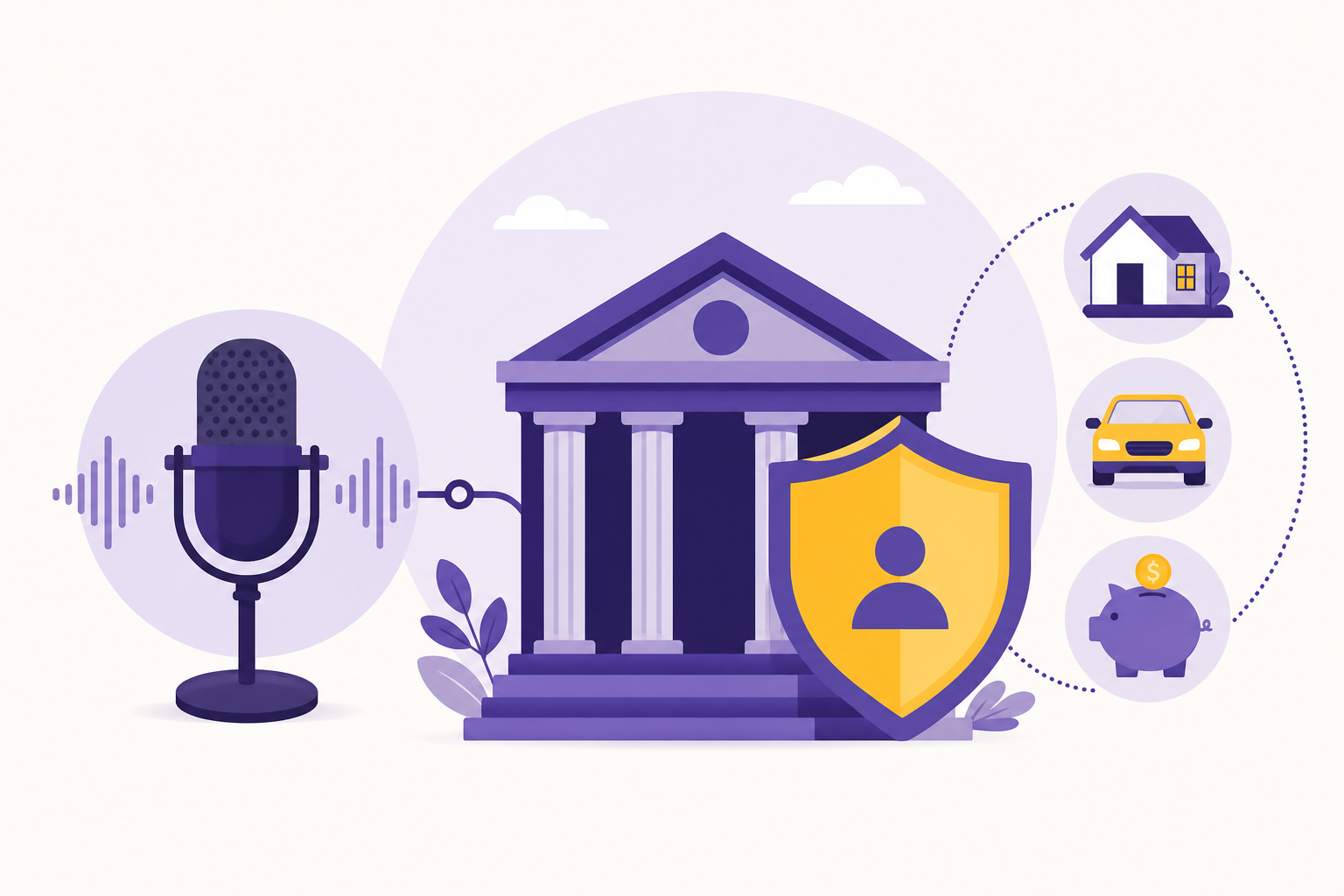
Business structure is how your company is set up legally. Without formal structure, there is little separation between personal and business liability.
That means personal finances and assets may become exposed if legal or financial issues arise.
Many podcasters choose a Limited Liability Company (LLC). Through an LLC structure, a separate legal entity is created. Plus, it’s pretty easy to manage. An LLC can help separate personal activity from podcast operations, sponsorship agreements, and business-related obligations.
If you’re a podcaster in Arizona, learning how an LLC works can help you set up your show with cleaner legal and tax lines.
Structure also improves professionalism. Sponsors, advertisers, and business partners often expect creators to operate through formal business entities rather than informal personal arrangements.
Other Administrative Needs
Once a formal structure is established, a few key administrative elements help support ongoing operations.
An Employer Identification Number (EIN) is the business’s federal tax identification number. It is commonly used for banking, sponsorship payments, tax reporting, and payroll if the podcast eventually hires contractors or employees.
Another administrative need is that of a registered agent. This is an individual or a business charged with receiving legal notices and compliance-related documents on behalf of the company. A registered agent helps ensure important communications are handled properly.
These systems help support:
- Organized financial operations
- Professional payment processing
- Tax compliance
- Ongoing business administration
Administrative structure might not sound exciting, but it creates the operational foundation that allows podcast or media businesses to scale more smoothly.
Contracts Every Podcaster Should Consider
Many podcasters rely on informal conversations over coffee or back-and-forth email exchanges when interacting with sponsors, guests, or other partners. While this may work early on, it ends up creating risk as partnerships evolve and become more valuable.
Clear contracts reduce misunderstandings.
Important agreements come in the form of sponsorship agreements, guest release forms, and contractor/partnership agreements. These contracts should all clearly outline payment terms, content ownership, usage rights, deliverables and timelines, and liability limitations.
For example, sponsorship agreements should specify exactly what promotional content will be delivered and how long ads or endorsements will remain available publicly.
Ultimately, written agreements help prevent arguments and disputes.

Copyright and Intellectual Property Risks
Copyright issues are one of the most common legal risks in podcasting. Many creators use music, clips, sound effects, or images without fully understanding licensing requirements.
Copyright infringement is a serious issue, and if you use something owned by someone else without permission, the result can be takedown requests, monetization issues, or legal claims.
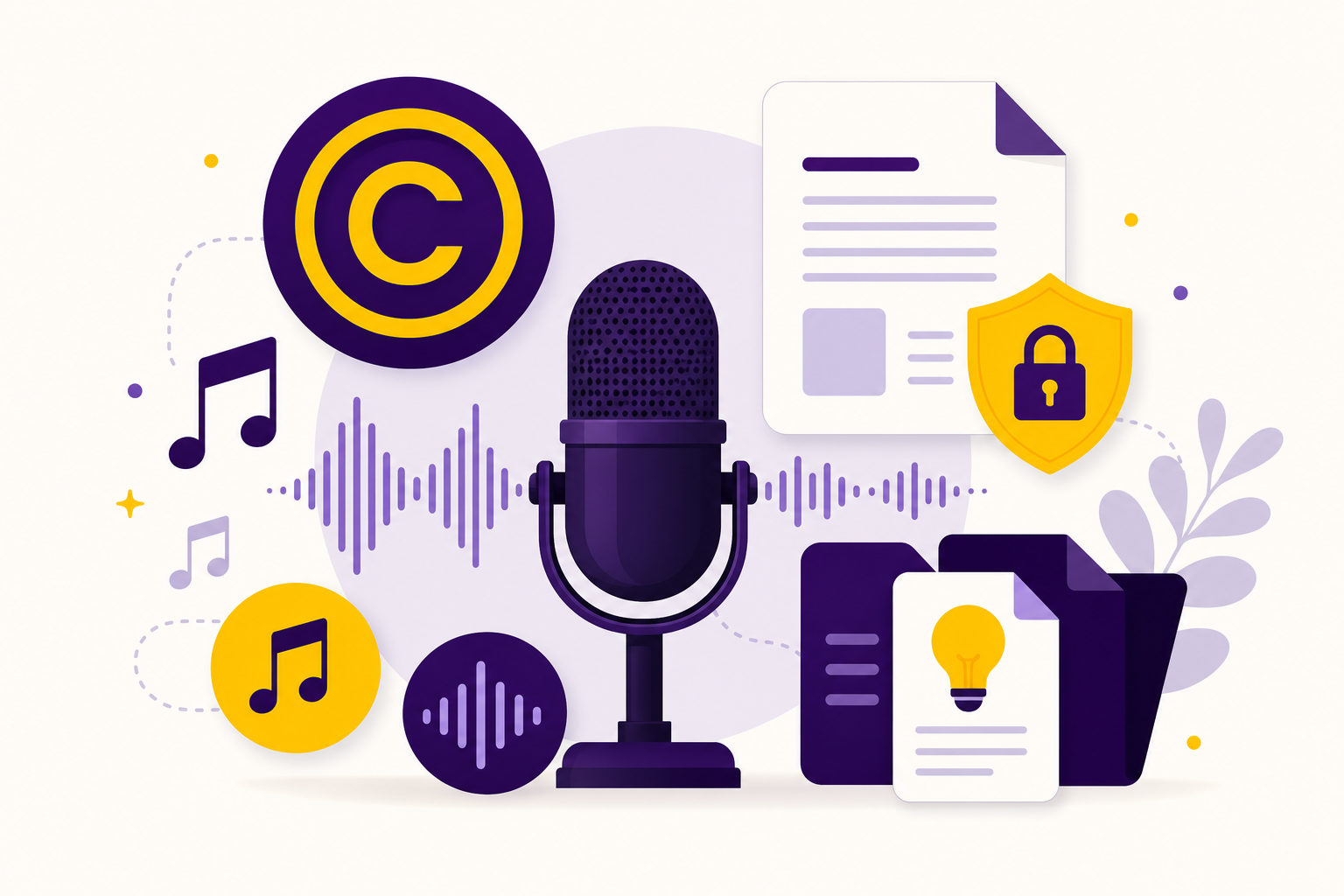
Important intellectual property considerations include:
- Proper licensing for music
- Ownership of podcast recordings and branding
- Trademark protection for show names and logos
- Rights related to clips and excerpts
Podcasters should also think about ownership internally. If editors, producers, or contractors contribute content, agreements should clearly establish who owns the final assets.
Finally, remember, the podcast itself becomes intellectual property as it grows.
Tip: Tools like Podsqueeze help you repurpose your own podcast content—clips, quote images, show notes, and blog posts—without relying on third-party media you may not have rights to use.
Defamation and Public Statements
It’s well known that podcasts often involve off-the-cuff conversation, commentary, and the airing of opinions. While this style creates authenticity, it can also result in legal risk if inaccurate or harmful statements are published publicly.
Typically, defamation claims are false statements that damage another person’s reputation.
Potential risks may include:
- Making accusations without evidence
- Presenting false information as fact
- Publishing misleading claims about individuals or companies
Even casual discussions can create problems if statements are interpreted as factual claims rather than an opinion.
Podcasters should be especially careful when discussing controversies, businesses, public figures, or sensitive personal allegations.
Guest Privacy and Consent
If a podcast conducts interviews with special guests, then additional legal considerations arise. Why? Because other people are participating directly in publicly distributed recorded content.
Consent is key here.
Important protections often include:
- Guest release forms or waivers
- Recording consent confirmation
- Permissions regarding editing and distribution
- Clarification of promotional usage rights
Guests should understand how the content will be used before recording begins. This becomes particularly important if clips are repurposed for marketing, social media, or monetized content later.
Sponsorships, Advertising, and FTC Compliance
Sponsored podcast content must comply with advertising and disclosure rules. Listeners should understand when creators are being compensated to promote products or services.
Here are some important compliance areas:
- Sponsorship disclosures
- Affiliate relationship disclosures
- Honest product endorsements
- Avoiding misleading advertising claims
More than ever before, audiences expect transparency from creators. Clear disclosures help maintain credibility while reducing compliance risk.
What’s more is that as sponsorship revenue grows, these obligations become more important to manage consistently.
For a deeper dive into monetization, see our guide on how to earn money with podcast sponsorships.
Financial Systems and Tax Organization
Podcast revenue often comes from multiple sources at the same time. Sponsorships, affiliate income, subscriptions, consulting, and merchandise can quickly create financial complexity.
In this regard, you have to be organized financially so you avoid stress and have strong operational practices.
Some best practices include:
- Separate business bank accounts
- Bookkeeping systems
- Expense tracking
- Invoice management
- Tax planning and preparation
Mixing personal and business finances creates chaos and makes compliance more difficult later.
Organized financial systems also help podcasters better understand profitability and long-term business performance.
Build a Podcast That Is Popular and Profitable
Podcasting creates real legal and financial responsibilities once audiences and revenue begin growing. Public content, sponsorships, guest interviews, and monetization all introduce areas of potential risk that creators should take seriously.
Establishing your business structure, using proper contracts, and organizing finances all help protect you both in the short and long term. These foundations support professionalism while reducing exposure to avoidable legal problems.
Podcasters who build solid systems when they start their podcast are often better prepared to grow sustainably, protect their content, and turn their show into a long-term business.
About the author
Amanda E. Clark is a contributing writer to LLC University. She has appeared as a subject matter expert on panels about content and social media marketing.
Repurpose your podcast content with AI